You Won’t Believe What I Found in Okinawa’s Hidden Markets
Okinawa isn’t just about crystal beaches and turquoise waves—its shopping scene is a whole adventure. From bustling markets to quiet backstreet boutiques, I discovered places where culture meets craft in the most unexpected ways. If you think shopping here is just souvenirs and sunscreen, think again. This is where tradition wears a modern twist, and every purchase tells a story. The rhythm of daily life pulses through open-air stalls and family-run shops, offering travelers not just goods, but glimpses into the island’s heart. Whether it’s a hand-dyed textile, a jar of beni imo jam, or a tiny shisa charm carved with care, each item carries a whisper of Okinawan heritage. What makes this experience so special isn’t just what you buy—but how you feel while buying it: welcomed, curious, connected.
The Pulse of Okinawa: Why Shopping Here Feels Different
Okinawa’s shopping culture is unlike any other in Japan. While cities like Tokyo and Osaka are known for neon-lit department stores and high-speed consumerism, Okinawa moves to a gentler beat. Here, commerce isn’t just about exchange—it’s about relationship. The island’s unique blend of Ryukyu Kingdom traditions, Japanese modernity, and subtropical island life creates a retail atmosphere that feels intimate, authentic, and deeply personal. Markets aren’t merely places to shop; they’re extensions of community life, where elders greet regulars by name, children help fold fabric at family stalls, and strangers become friends over shared curiosity.
This sense of connection begins with history. For centuries, the Ryukyu Islands were a crossroads of trade between China, Japan, and Southeast Asia. This legacy lives on in the textures, colors, and craftsmanship found in today’s markets—silk brocades inspired by Chinese designs, pottery techniques passed down from Korean potters, and indigo-dyed textiles that echo ancient maritime routes. Shopping here is less about acquiring things and more about stepping into a living culture. You’re not just browsing; you’re witnessing centuries of resilience, creativity, and quiet pride.
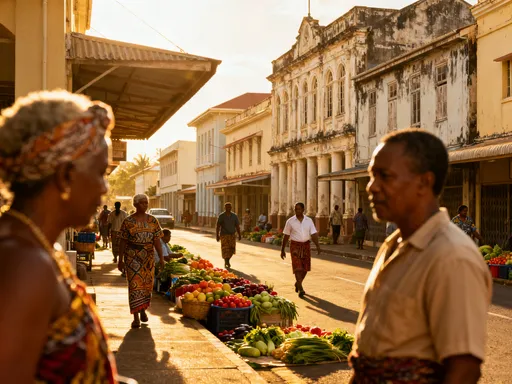
The rhythm of local life shapes the marketplace too. In the early morning, fishmongers at Makishi Market call out their freshest catches—blue-striped snapper, sea urchin still glistening, octopus curled on ice. By mid-morning, farmers arrive with baskets of bitter melon, purple sweet potatoes, and sugarcane grown in volcanic soil. In the afternoons, artisans unfold tables displaying hand-painted bingata fans, shell necklaces, and clay shisa guardians. Each hour brings a new wave of energy, a different story. Visitors who take the time to slow down and observe often find themselves drawn into conversations, offered samples of local tea, or invited to watch a craftsperson at work. This isn’t performance for tourists—it’s the natural flow of island life, open to those who approach with respect and openness.
Naha’s Heartbeat: Naha Main Place and Surrounds
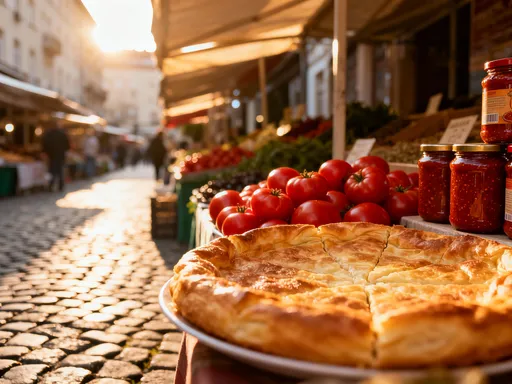
At the center of Okinawa’s urban pulse lies Naha, the island’s capital and cultural crossroads. While it has modern conveniences, Naha retains a relaxed, approachable charm—nowhere more evident than at Naha Main Place Market. Tucked beneath a contemporary shopping complex, this two-story marketplace offers one of the most rewarding shopping experiences on the island. The ground floor buzzes with activity: rows of stalls overflow with fresh produce, seafood, pickles, and ready-to-eat snacks like taco rice and jūshī (Okinawan-style rice). The air carries the scent of grilled fish, fermented soy, and ripe mangoes—an olfactory map of the island’s flavors.
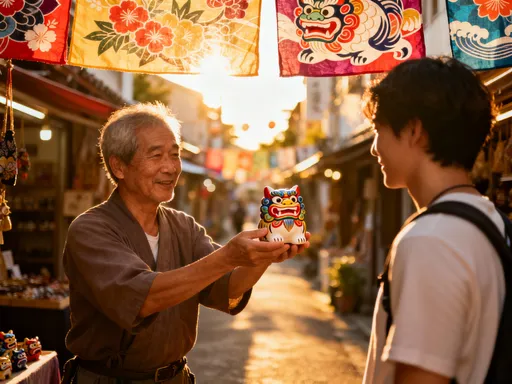
Ascend to the second floor, and the mood shifts to craft and tradition. Here, local artisans and small vendors sell handmade goods that reflect Okinawa’s artistic soul. Look for beni imo (purple sweet potato) treats—candies, jams, and even ice cream—in vibrant violet packaging. Shisa figurines, the lion-dog guardians of Okinawan homes, come in countless forms: playful, fierce, comical, or serene, each hand-sculpted and painted. You’ll also find textiles dyed with natural pigments, including the famous bingata technique, known for its bold floral patterns and intricate stenciling. These aren’t mass-produced trinkets; many items are made in small batches or even one-of-a-kind.
To make the most of your visit, arrive early—between 8:00 and 9:30 a.m. Mornings are less crowded, and vendors are often more talkative, happy to share stories behind their products. This is also when fresh seafood and produce are at their peak. Keep cash on hand, as not all stalls accept cards. Look for signs that say “made in Okinawa” or ask “dare ga tsukutta no desu ka?” (who made this?) to learn more about the maker. If you’re unsure about authenticity, observe the craftsmanship: handmade shisa will have slight imperfections, uneven glaze, or unique facial expressions, while factory versions appear uniform and glossy.
After browsing, take a break at one of the nearby coffee shops. Cafes like Naha Coffee Roasters or Beans & Beans offer locally roasted brews and light pastries in calm, minimalist spaces—perfect for reflecting on your finds. Some even sell their own branded goods, like ceramic mugs or reusable tote bags featuring Okinawan motifs. These quiet moments of pause are part of the shopping journey, allowing you to absorb the atmosphere and appreciate the care that goes into every product.
Kokusai Street: More Than Just a Tourist Strip
Kokusai Street, often called the “Miracle Mile,” stretches nearly a mile through central Naha and is one of Okinawa’s most visited shopping destinations. To the casual observer, it may seem like a typical tourist thoroughfare—lined with souvenir shops, fast food outlets, and umbrella-wielding crowds. But beneath the surface lies a more nuanced reality. For those willing to look beyond the storefronts, Kokusai Street reveals pockets of authenticity, creativity, and local enterprise.
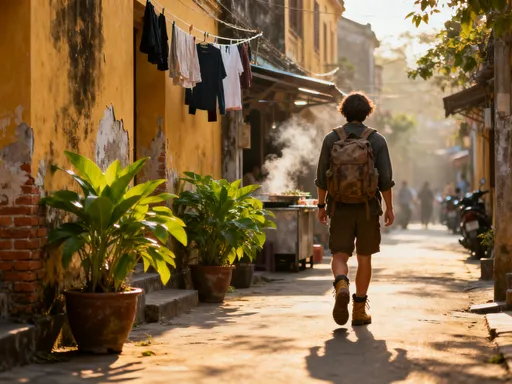
The key is to venture into the side alleys, known as *michi* or *yokocho*. These narrow passages branch off the main drag and often lead to family-owned boutiques, craft studios, and specialty food vendors. One alley might house a third-generation shell artisan stringing delicate necklaces from turban shells and mother-of-pearl. Another could hide a denim workshop where Okinawan cotton is woven into jeans dyed with indigo from local plants. These shops don’t advertise loudly; their charm lies in discovery.
For a rewarding walk, start at the eastern end of Kokusai Street, near the Naha Bus Terminal. Begin with the 100-yen shops—Surume, Don Quijote, or Can Do—where you can find fun, low-cost souvenirs like Okinawan-themed stationery, mini shisa figures, or snacks. While these aren’t handmade, they offer lighthearted mementos. Then, move westward, ducking into the side streets every few minutes. Look for wooden signs, hand-painted banners, or displays with minimal English—these often signal locally run shops.
One standout is a small store specializing in *ryūsu* bags—traditional woven totes made from banana fiber or palm leaves. These eco-friendly carriers come in earthy tones and geometric patterns, perfect for carrying beach towels or market finds. Nearby, a family-run souvenir shop might offer handmade soap infused with hibiscus or sugarcane extract, or bottles of awamori labeled with custom calligraphy. These personal touches make all the difference. The shopkeepers often speak some English and are delighted when visitors show genuine interest. A simple “kore wa nan desu ka?” (what is this?) can lead to a ten-minute conversation about ingredients, history, or family traditions.
Off the Beaten Path: Local Markets You’ve Never Heard Of
While Naha draws most visitors, some of Okinawa’s most authentic shopping experiences happen far from the guidebooks. In quiet villages and rural towns, weekly markets thrive as community hubs where elders sell handmade goods, farmers trade seasonal harvests, and neighbors catch up over steaming cups of jasmine tea. These places don’t cater to tourism—they exist for the people who live here, making them rare windows into real island life.
Take the Saturday morning market in Onna Village, nestled along the scenic west coast. Held in a simple concrete lot behind a community center, it opens at 7:00 a.m. and winds down by noon. There are no flashy signs, no souvenir racks, and certainly no English menus. Instead, you’ll find bamboo baskets filled with wild herbs, jars of homemade miso, and trays of *gōyā champurū* mix—bitter melon, tofu, egg, and pork ready to cook. But the true treasures are the crafts: elderly women selling hand-stitched *sashiko* pouches, their needles still swift despite age; men carving wooden shisa from leftover lumber; teens offering hand-painted postcards of local landmarks.
Another hidden gem is the lesser-known section of Makishi Public Market—the upper-floor craft corridor often overlooked by seafood-focused visitors. While the ground floor draws crowds for its fish stalls, the upper level hosts a rotating group of artisans. One vendor might specialize in *bingata* fans, each painted with peonies, dragons, or ocean waves using natural dyes. Another could offer *kijoka bashōfu*, a rare fabric woven from banana plant fibers, a technique designated as a national intangible cultural property. These items aren’t cheap, but they’re priced fairly—no tourist markups—because the makers value preservation over profit.
Shopping here requires patience and openness. Most vendors don’t speak English, and payment is cash-only. But communication happens in other ways: a smile, a nod, pointing to what you’d like. Many sellers are happy to demonstrate their craft—showing how a fan is folded, how a pouch is stitched, or how a piece of pottery is burnished. These interactions transform shopping from transaction to connection. And because these markets operate on trust and tradition, you can feel confident that your purchase supports real families, not corporate chains.
Craft Villages: Where Tradition is Handmade, Not Mass-Produced
To truly understand Okinawa’s craft culture, a visit to its artisan villages is essential. These are not theme parks or souvenir emporiums—they are living, working communities where generations of families continue ancient techniques with pride and precision. Two standouts are Yomitan Village and the Tsuboya Pottery District in Naha, both offering immersive experiences that go far beyond shopping.
Yomitan, located just north of Naha, is known as the “village of crafts.” Scattered along its quiet roads are family-run studios where visitors can watch artisans at work—spinning cotton on wooden looms, dyeing fabric with indigo vats, or carving wooden shisa with chisels. One studio, open to the public, invites guests to try their hand at *shima-ori* weaving, a centuries-old method producing durable, patterned textiles. The owner, a fourth-generation weaver, explains each step in careful, broken English, emphasizing how every thread carries meaning. “This red,” she says, pointing to a vibrant stripe, “is for protection. This white, for peace.”
Just as powerful is the Tsuboya Pottery District, a historic neighborhood where clay has been fired since the 15th century. Once the royal kiln for the Ryukyu Kingdom, Tsuboya is now home to dozens of studios and galleries. Walking its cobblestone lanes, you’ll hear the scratch of tools on wet clay, see shelves lined with unglazed pots, and smell the earthy scent of kiln smoke. Many studios welcome visitors to observe—and even participate. At one family workshop, a potter demonstrates how *awamori* jars are shaped: wide-bellied vessels with narrow necks, designed to age the island’s famed rice liquor. You can buy directly from the kiln, often at prices lower than retail shops, because there’s no middleman.
What makes these craft villages so valuable is the transparency. You see the process, meet the maker, and understand the time and skill behind each piece. A single bingata-dyed scarf might take three days to complete. A clay shisa could require two firings and weeks of drying. When you purchase here, you’re not just buying an object—you’re honoring a legacy. And because these artisans rely on tourism to sustain their work, your visit has real impact. It’s a quiet form of cultural preservation, one thoughtful purchase at a time.
Modern Meets Island: Lifestyle Stores with a View
While tradition thrives in Okinawa, a new wave of lifestyle stores is redefining what local shopping can be. These contemporary boutiques blend island aesthetics with minimalist design, offering curated collections that feel both fresh and deeply rooted. Found in Naha, Chatan, and coastal towns, they cater to travelers seeking meaningful, beautiful items that reflect Okinawa’s calm, natural spirit.
One standout is Ufuya, a small chain with locations in Naha and American Village. More than a shop, it’s a philosophy in physical form. The interior is airy and light, with wooden shelves, soft linen drapes, and the faint scent of sea salt in the air. Products are carefully selected: organic cotton t-shirts printed with subtle wave patterns, ceramic tableware glazed in ocean blues and coral pinks, and skincare made with Okinawan sea salt and brown sugar. Even the packaging is thoughtful—reusable cotton bags, recycled paper labels, no plastic. This is shopping as self-care, as mindfulness, as connection to place.
Another favorite is Okinawa Life Shop, which began as an online store and now has a brick-and-mortar presence in Chatan. Its focus is on daily rituals: morning coffee, evening baths, weekend walks. Here, you’ll find hand-thrown mugs perfect for sipping hibiscus tea, linen napkins dyed with natural pigments, and candles infused with plumeria and yuzu. The store often collaborates with local makers, ensuring that every item has a story. A recent collection featured tote bags woven by women’s cooperatives in remote villages, each tag signed by the artisan.
These stores don’t just sell products—they sell a way of life. The message is clear: beauty lies in simplicity, sustainability, and intention. For travelers, especially women in their 30s to 50s who value quality over quantity, these spaces offer a refreshing alternative to generic souvenirs. A purchase here feels like a promise—to live more gently, to honor craftsmanship, to carry a piece of Okinawa’s serenity back home. And because the stores are small and intimate, the shopping experience remains personal. Staff remember regulars, offer samples of new arrivals, and sometimes share recipes or wellness tips. It’s retail with warmth, with heart.
Smart Shopping: How to Buy Right in Okinawa
With so many wonderful options, it’s easy to get carried away. But thoughtful shopping means being informed. A few practical tips can help you navigate Okinawa’s markets with confidence, ensuring your purchases are both meaningful and fair.
First, carry cash. While credit cards are accepted in malls and larger stores, many small vendors, especially in local and rural markets, operate on a cash-only basis. ATMs are available at post offices and 7-Eleven stores, but lines can be long. Aim to withdraw enough yen at the start of each market day. Coins are especially useful for small snacks or handmade trinkets.
Second, understand tax-free shopping. Visitors staying less than six months can enjoy tax-free purchases at participating stores—usually those with a minimum spend of 5,000 yen. Look for the red “Tax-Free” sign and be ready to show your passport. This applies to both goods and some services, so keep receipts. However, note that many small craft shops and markets don’t offer this service, as it requires registration and paperwork. Don’t be discouraged—paying a little extra tax is a small price for supporting independent artisans.
Third, know that bargaining is not customary in Okinawa. Prices are generally fair, especially in local markets and craft villages. Attempting to haggle can be seen as disrespectful, particularly when buying from elders or family-run stalls. If you’re unsure about value, compare similar items across stalls or ask a local for advice. When in doubt, trust your instincts—if something feels overpriced or too perfect, it might be mass-produced.
Finally, adopt a mindful approach. Buy less, but choose well. Instead of filling a suitcase with cheap souvenirs, select one or two special pieces that speak to you. Ask yourself: Will I use this? Does it reflect the spirit of Okinawa? Who made it? When you shop with intention, every item becomes a keepsake, not just a thing. And by supporting small makers, you help keep traditions alive—for future generations, and for those who visit after you.
Shopping in Okinawa isn’t about filling bags—it’s about collecting moments, memories, and connections. Each market, stall, and village workshop offers a window into the island’s soul. When you choose to buy thoughtfully, you don’t just take home souvenirs—you carry a piece of Okinawa’s spirit. So next time you’re here, skip the mall. Let the streets guide you, let the locals welcome you, and let your purchases mean something.