Beyond the Glitz: Inside Gold Coast Australia’s Most Iconic Landmarks
Have you ever stood before a building and felt like it told a story just by existing? On Australia’s Gold Coast, the skyline isn’t just about height or shine—it’s about identity. From soaring high-rises to cultural landmarks rooted in coastal life, each structure shapes the city’s soul. I explored these architectural wonders not as a tourist, but as a traveler hungry for meaning. What I found was more than concrete and glass—it was the heartbeat of a city built on sun, surf, and ambition.
The Skyline That Defines a City
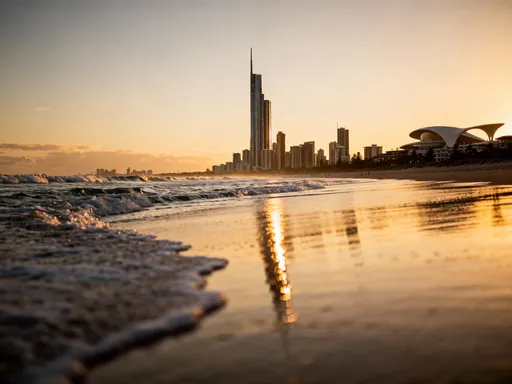
The Gold Coast skyline is more than an assemblage of steel and glass; it is a living chronicle of urban ambition shaped by its unique geography and cultural evolution. Stretching along a 32-kilometer ribbon of coastline, the city’s vertical profile stands in quiet contrast to the gentle curves of the Pacific shoreline. With over 300 high-rise buildings, the Gold Coast boasts the highest concentration of skyscrapers outside of Sydney and Melbourne, a distinction that speaks to its transformation from a quiet coastal retreat to a global destination. At the heart of this transformation lies Surfers Paradise, the glittering epicenter where architecture and aspiration converge.
What makes the Gold Coast skyline truly distinctive is not merely its density, but the way its towers respond to the natural environment. Architects have long considered the region’s subtropical climate, prevailing sea breezes, and relentless sunshine when designing these vertical communities. Many high-rises feature aerodynamic shapes to reduce wind resistance, expansive balconies to capture ocean views, and tinted or reflective glass facades to mitigate solar heat gain. The result is a skyline that feels both dynamic and deliberate, where form follows both function and aesthetic harmony with the coastal setting. Unlike inland metropolises, where buildings rise in dense clusters, Gold Coast towers are often spaced to preserve sightlines to the ocean—a design principle that underscores the city’s deep connection to the sea.
The tallest among them, Q1 and Soul, are not just residential marvels but symbolic markers of the city’s ambition. Q1, standing at 322.5 meters with 78 floors, held the title of the world’s tallest residential tower when completed in 2005. Its needle-like spire reaches skyward like a lighthouse for modernity, visible from over 100 kilometers away. Soul, slightly shorter but equally striking, features a sleek, curved silhouette that reflects the movement of ocean waves. Together, these towers anchor the skyline, offering panoramic vistas that stretch from the hinterland rainforests to the endless blue of the Coral Sea. Their presence is not just architectural; it is experiential, shaping how residents and visitors perceive the city’s scale and spirit.
What sets the Gold Coast apart is how its skyline remains accessible. Unlike cities where observation decks are rare or exclusive, many of its high-rises incorporate public viewing areas, sky lounges, or restaurants at elevated levels. This democratization of height allows even casual visitors to experience the thrill of elevation, reinforcing the idea that the skyline belongs to everyone. In this way, the city’s architecture does not isolate—it invites. It transforms the act of looking outward into a shared moment of awe, where the horizon becomes a common point of reflection.
Q1 Tower: More Than Just Height
Standing as the most recognizable silhouette on the Gold Coast, Q1 Tower is more than an engineering feat—it is a cultural landmark woven into the city’s identity. Its name, derived from “Queensland Number One,” reflects both its stature and its symbolic role as a beacon of regional pride. Completed in 2005 after five years of construction, the tower was designed to resemble the spiral form of a surfboard cutting through a wave, a nod to the city’s deep-rooted surf culture. The spire, rising like a needle above the main structure, enhances this effect, creating a vertical rhythm that mirrors the motion of the ocean below.
Inside, Q1 is a self-contained community. The lower 50 floors house luxury apartments, many with floor-to-ceiling windows that frame uninterrupted views of the coastline. Above them, the SkyPoint Observation Deck occupies levels 77 and 78, offering visitors a 360-degree panorama that changes with the light. On a clear day, one can see as far north as Brisbane and as far south as Mount Warning in New South Wales. The journey to the top is an experience in itself—a high-speed elevator ascent that takes just 45 seconds, accompanied by a subtle soundtrack of rising tones designed to enhance the sensation of elevation.
The design of Q1 is not only inspired by nature but also responsive to it. The building’s reflective glass cladding shifts in color throughout the day, from silver at dawn to golden at sunset, creating a dynamic relationship between structure and sky. Its aerodynamic shape reduces wind loads, a critical consideration in a region prone to tropical storms. Even the spire serves a functional purpose, housing communication equipment and acting as a lightning rod. Yet, for all its technical sophistication, Q1’s true impact lies in its emotional resonance. Locals often use it as a navigational reference, saying, “Turn left when you see the Q1,” a testament to how deeply it is embedded in daily life.
For visitors, the SkyPoint experience extends beyond sightseeing. Nighttime visits offer a different kind of magic—the coastline transforms into a river of lights, with the glow of streetlamps, building facades, and passing cars creating a luminous tapestry. SkyPoint also hosts events such as stargazing nights and twilight yoga sessions, reinforcing the idea that architecture can be a platform for connection. Q1 is not just a tower to be seen; it is a place to be experienced, a vertical gateway to the soul of the Gold Coast.
HOTA: Where Culture Meets Concrete
A short drive from the glittering high-rises of Surfers Paradise, the Home of the Arts (HOTA) represents a different kind of landmark—one rooted in creativity, community, and cultural renewal. Situated on the banks of the Nerang River in Surfers Paradise, HOTA is more than a gallery or performance space; it is a cultural precinct designed to elevate the Gold Coast’s artistic identity beyond its sun-and-surf reputation. Opened in phases starting in 2018 and fully realized by 2021, the $605 million development spans 16 hectares and includes a state-of-the-art theatre, outdoor stage, contemporary art gallery, and extensive public plazas.
The architecture of HOTA is a study in balance—between modernity and nature, formality and accessibility. The main gallery building, with its clean lines and cantilevered roof, appears to float above a reflecting pool, creating a serene visual dialogue between structure and water. The outdoor stage, nestled along the riverbank, hosts everything from classical concerts to Indigenous dance performances, drawing audiences under the open sky. Pathways meander through native gardens, connecting art installations with shaded seating areas, inviting visitors to linger and engage. Unlike traditional cultural institutions that can feel imposing, HOTA is designed to be welcoming, with open access to most areas and a deliberate blurring of indoor and outdoor spaces.
One of HOTA’s most striking features is its commitment to public art. The precinct includes permanent installations by Australian and international artists, from large-scale sculptures to interactive light displays. These works are not afterthoughts; they are integral to the design, encouraging discovery and dialogue. The gallery itself focuses on contemporary Australian art, with rotating exhibitions that often explore themes of identity, environment, and social change. Educational programs, artist residencies, and community workshops further reinforce HOTA’s role as a living cultural hub rather than a static museum.
For a city often associated with leisure and tourism, HOTA signals a deeper evolution. It acknowledges that a vibrant city needs more than beaches and high-rises—it needs spaces where ideas are exchanged, stories are told, and creativity is nurtured. Families gather on the grassy lawns during weekend festivals, seniors attend lectures in the gallery, and young artists showcase their work in pop-up exhibitions. HOTA proves that culture is not a luxury; it is a foundation. In redefining what a landmark can be, it has become one of the Gold Coast’s most meaningful architectural achievements.
The Star Gold Coast: Entertainment Architecture
The Star Gold Coast, formerly known as Jupiters Hotel & Casino, stands as a monument to entertainment-driven design. Located in Broadbeach, this sprawling complex blends hotel, casino, dining, and event spaces into a single, immersive environment. Opened in 1985 and rebranded in 2017, The Star has undergone significant renovations to modernize its aesthetic and expand its offerings. Its architecture is intentionally grand—soaring atriums, cascading chandeliers, and polished marble floors create a sense of opulence the moment one steps inside.
The layout of The Star is carefully engineered to guide movement and prolong engagement. The casino floor, though not the largest in Australia, is designed with strategic sightlines and lighting to create an atmosphere of excitement without overwhelming the senses. Soft ambient lighting, subtle color palettes, and acoustically treated ceilings help maintain a comfortable environment, while the placement of gaming tables and slot machines follows behavioral design principles to encourage exploration. Surrounding the casino are over 20 dining venues, ranging from casual cafes to fine dining restaurants helmed by celebrity chefs, ensuring that the experience extends beyond gambling.
What makes The Star architecturally significant is its integration of entertainment and hospitality. The 508-room hotel tower is connected seamlessly to the main complex, allowing guests to move between rooms, restaurants, and event spaces without stepping outside. The Star also hosts major concerts, comedy shows, and conferences in its 1,500-seat theatre and convention center, making it a year-round destination for both tourists and locals. The exterior, redesigned in recent years, features a sleek glass facade illuminated at night with dynamic LED lighting that changes with the season or special events, reinforcing its role as a visual landmark.
While the presence of a casino invites debate, The Star’s economic impact is undeniable. It employs over 1,500 people and contributes significantly to the local tourism economy. Strict responsible gambling measures, including self-exclusion programs and on-site support services, reflect a growing awareness of social responsibility. Architecturally, The Star represents a different kind of icon—one built not on height or cultural symbolism, but on the human desire for connection, celebration, and escape. It is a place where architecture serves experience, shaping moments of joy, relaxation, and indulgence.
Currumbin Wildlife Sanctuary: Built for Nature
Not all landmarks are defined by height or human ambition. Currumbin Wildlife Sanctuary, established in 1947, stands as a testament to architecture in service of nature. Located just south of the Gold Coast airport, this 27-hectare reserve is one of Australia’s oldest and most respected wildlife conservation sites. Unlike traditional zoos, Currumbin is designed to mimic natural habitats, using low-impact structures that blend into the surrounding eucalyptus forests and wetlands. Boardwalks, shaded enclosures, and concealed viewing areas allow visitors to observe animals without disrupting their behavior.
The sanctuary’s design philosophy centers on animal welfare and environmental harmony. Kangaroos roam freely in open grasslands, koalas rest in eucalyptus trees, and rainbow lorikeets gather daily at the famous bird feeding sessions. The pathways are thoughtfully laid out to minimize erosion and protect native vegetation, while interpretive signage educates visitors about conservation efforts and Indigenous land stewardship. One of the most beloved features is the Platypus Lookout, a quiet, dimly lit enclosure where visitors can watch these elusive creatures swim in a recreated creek environment. The design ensures minimal stress for the animals while maximizing educational value for guests.
Currumbin also plays a vital role in wildlife rehabilitation. Its veterinary hospital treats hundreds of injured native animals each year, from sea turtles to flying foxes, with many released back into the wild. The facility is integrated into the visitor experience through behind-the-scenes tours and live demonstrations, fostering a deeper understanding of conservation challenges. School groups, families, and international tourists alike leave with a renewed appreciation for Australia’s unique biodiversity.
Architecturally, Currumbin is a quiet kind of landmark—one that does not dominate the landscape but enhances it. Its structures are functional, unobtrusive, and deeply respectful of the natural world. In a city known for its bold skyline, Currumbin reminds us that true icon status can also come from humility, care, and a commitment to coexistence. It is a place where architecture disappears, allowing nature to take center stage.
Coastal Bridges and Public Structures
Beyond the towering landmarks, the Gold Coast’s architectural identity is also shaped by its everyday structures—bridges, promenades, lifeguard towers, and pedestrian crossings. These elements, often overlooked, are essential to the city’s rhythm, safety, and scenic flow. The Varsity Lakes Bridge, for example, is more than a river crossing; it is a sculptural element that enhances the lakeside landscape. With its arched steel design and LED-lit handrails, it becomes a focal point at night, reflecting in the water like a modern-day aqueduct.
Along the coastline, the network of seaside promenades connects beaches, parks, and neighborhoods, encouraging walking, cycling, and leisurely strolls. The Surfers Paradise Beachfront Promenade, recently upgraded with sustainable materials and improved accessibility, features shaded rest areas, public art installations, and ocean-view seating. These spaces are designed not just for movement but for lingering—inviting people to pause, breathe, and absorb the coastal atmosphere. The integration of native plants, permeable paving, and solar-powered lighting reflects a growing emphasis on sustainability and resilience.
Lifeguard towers, painted in bright yellow and red, are another iconic feature. Positioned at regular intervals along the beach, they serve as both functional outposts and visual markers of safety. Their elevated design allows for clear visibility of swimmers, while their open-air structure keeps them ventilated in the subtropical heat. Some have been modernized with solar panels and digital communication systems, blending tradition with innovation. These towers, though modest in size, are symbols of care and vigilance, embodying the community’s commitment to protecting its most precious resource—the beach.
Even pedestrian crossings in the Gold Coast reflect thoughtful design. The zebra crossings in Surfers Paradise, painted with wave patterns and tropical motifs, add a touch of playfulness while improving visibility. Traffic signals are synchronized with pedestrian flow, and many intersections include countdown timers and audible cues for accessibility. These small details contribute to a larger vision of urban livability, where safety, beauty, and functionality coexist. In a city built for visitors, such structures ensure that everyone—locals and tourists alike—can move with confidence and ease.
The Future of Gold Coast Architecture
As the Gold Coast continues to grow, its architectural identity is evolving toward sustainability, resilience, and human-centered design. New developments are increasingly guided by green building standards such as Green Star and NABERS, with a focus on energy efficiency, water conservation, and low-carbon materials. Proposed projects like the “Green Spine” tower in Southport aim to integrate vertical gardens, solar panels, and rainwater harvesting systems, setting a new benchmark for eco-conscious high-rises. These buildings are not just tall—they are smart, responsive, and designed to minimize environmental impact.
Urban planning is also shifting toward walkability and mixed-use development. The city is investing in transit-oriented communities, where residential, commercial, and recreational spaces are integrated within easy reach of public transport. The Light Rail system, already extended to Broadbeach and planned for further expansion, is reshaping how people move through the city, reducing reliance on cars and encouraging sustainable lifestyles. Future precincts are being designed with wider footpaths, shaded bike lanes, and public plazas that foster social interaction.
At the same time, architects are reimagining how buildings interact with the coast. With rising sea levels and increased storm activity, new constructions are being elevated, flood-resilient, and adaptable. Coastal dune restoration and mangrove planting are being integrated into waterfront developments, serving as natural buffers while enhancing biodiversity. The goal is not to resist nature, but to coexist with it—building smarter, not higher.
The Gold Coast’s architectural future is not about abandoning its legacy of bold towers and sunlit promenades, but about deepening its values. It is about creating spaces that are not only beautiful and functional but also equitable, sustainable, and resilient. The landmarks of tomorrow may not all be the tallest or the shiniest, but they will be the ones that best serve the people and the planet. In this ongoing journey of reinvention, the city remains true to its essence—sun, surf, and a relentless spirit of innovation.
Concrete With a Pulse
The Gold Coast’s landmarks—whether towering skyscrapers, cultural hubs, or quiet wildlife sanctuaries—form a living dialogue between human ambition and the natural world. They are not static monuments, but dynamic expressions of a city in motion. Each structure, in its own way, tells a story: of innovation, of care, of connection. From the reflective spire of Q1 to the shaded pathways of Currumbin, from the cultural embrace of HOTA to the everyday grace of a seaside promenade, these places shape how we experience the city and remember it.
What makes these landmarks truly iconic is not their size or spectacle, but their ability to evoke feeling. They invite us to look up, to slow down, to engage. They remind us that architecture is not just about shelter or spectacle—it is about meaning. It is about creating spaces where lives unfold, where memories are made, where communities thrive. The Gold Coast, often seen as a playground, reveals itself upon closer inspection as a place of depth, intention, and heart.
As we look to the future, the challenge is not to build higher, but to build wiser. To honor the past while embracing change. To celebrate the sun and surf without forgetting the soil and soul beneath. The landmarks of the Gold Coast are more than concrete and glass—they are vessels of identity, shaped by light, shaped by time, shaped by people. And in their reflection, we see not just a city, but ourselves.