Guam’s Hidden Cultural Pulse: Where Art Lives in Every Step
Have you ever felt culture in the air—through colors, rhythm, or the quiet pride in a local’s smile? In Hagåtña, the heart of Guam, tradition isn’t preserved behind glass; it breathes in murals, dances in chants, and shapes everyday life. I discovered a world where Chamorro heritage meets modern expression, not as a display, but as a living story. This is more than tourism—it’s connection, identity, and art that walks beside you. Here, every cobblestone, every carved pattern, every song carries memory and meaning. To walk through Hagåtña is to step into a continuous conversation between past and present, where culture isn’t performed for visitors but lived with intention and grace.
The Soul of Hagåtña: A Cultural Crossroads
Hagåtña, once known as Agana, stands as the historic and cultural nucleus of Guam, an island nestled in the western Pacific and part of the Mariana Islands chain. For centuries, this city has served as a gathering place for the Chamorro people, the island’s indigenous inhabitants whose roots stretch back over 4,000 years. Long before colonial contact, Hagåtña was a thriving village centered around kinship, fishing, and agriculture. Its location along the shores of the Hagåtña River made it a natural hub for trade and community life. The arrival of Spanish missionaries in the 17th century marked a profound transformation, as the village became the seat of colonial administration and Catholic evangelization. Churches rose, streets were laid in European style, and the Chamorro way of life was reshaped under foreign rule.
Despite these changes, the essence of Chamorro identity endured. Today, walking through Hagåtña reveals layers of history written into the city’s fabric. Spanish-era influences linger in the architecture of the Dulce Nombre de Maria Cathedral Basilica, whose foundations date back to 1669, making it one of the oldest Catholic churches in the Pacific. Street names like Calle Perez and Calle Santo reflect this colonial past, yet they coexist with Chamorro language markers and cultural signage that assert indigenous presence. The American period, beginning in 1898, introduced new governance structures, infrastructure, and education systems, further shaping the city’s evolution. Yet through each wave of change, Hagåtña remained a place where Chamorro values—respect for elders, communal responsibility, and deep connection to land and sea—were preserved.
Understanding this layered history enhances a visitor’s experience, transforming a simple stroll into a journey through time. It allows travelers to appreciate not just the sights, but the resilience behind them. The city’s cultural richness is not a curated exhibit but a lived reality, shaped by centuries of adaptation and perseverance. When you visit Hagåtña, you’re not entering a museum; you’re stepping into a community where history is remembered, honored, and continuously reinterpreted. This depth of context invites a more meaningful engagement, one rooted in respect and curiosity rather than mere observation.
Chamorro Art Comes Alive: From Weaving to Carving
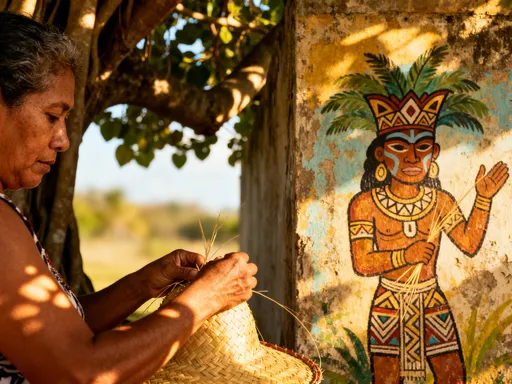
At the heart of Chamorro culture lies a deep reverence for craftsmanship, where art is not separated from daily life but woven into it—sometimes quite literally. Traditional practices such as weaving and stone carving are not relics of the past but living traditions kept vibrant by dedicated artisans across Guam. Among the most iconic of these crafts is the making of åkgak, handwoven hats crafted from the fibers of the pandanus tree. These hats, once essential for protection from the tropical sun, are now also symbols of cultural pride. The intricate patterns—some resembling ocean waves, others evoking the fronds of palm trees—are more than decorative; they carry stories, clan identities, and ancestral knowledge passed down through generations.
Visitors to Hagåtña and surrounding villages can witness this artistry firsthand in open-air workshops and cultural centers like the Latte Stone Park or the Chamorro Village in nearby Hagåtña Bay. Here, elders sit beneath shaded pavilions, their hands moving with practiced ease as they split, dry, and braid pandanus strips. Some artisans incorporate natural dyes—åsuf made from roots and bark—to add subtle hues of brown, red, or yellow to their creations. These colors are not chosen arbitrarily; they often reflect the environment, spiritual beliefs, or regional affiliations. Watching a master weaver at work is to observe patience, precision, and a quiet devotion to heritage.
Equally significant is the tradition of latte stone carving, a practice that dates back to pre-colonial times. Latte stones are megalithic structures consisting of a pillar (haligi) topped by a capstone (tasa), originally used as foundation supports for elevated houses. Today, they stand as powerful symbols of Chamorro ingenuity and endurance. While ancient latte stones can be found at archaeological sites across the island, modern artisans continue to carve replicas using traditional tools and techniques. These carvings are not mere souvenirs; they serve as cultural markers, often placed in public spaces, family compounds, or memorial grounds. Some contemporary artists have reinterpreted the latte form in sculptures that blend ancestral motifs with modern aesthetics, demonstrating how tradition can evolve without losing its soul.
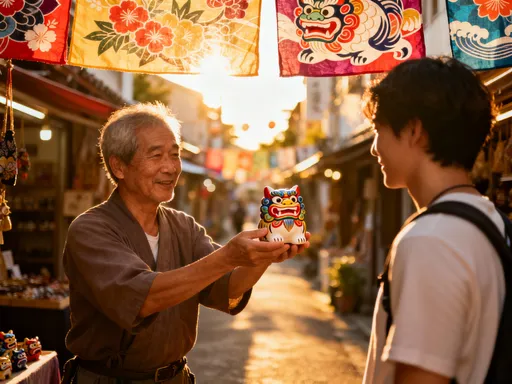
Supporting these artisans is a meaningful way for travelers to engage with Chamorro culture. Purchasing a handwoven åkgak or a small latte-inspired sculpture directly from a craftsperson ensures that cultural knowledge is sustained and valued. It also fosters personal connection—many artisans are happy to share the meanings behind their work, offering insights that no guidebook can provide. In a world increasingly dominated by mass production, these handmade creations remind us of the beauty of slow, intentional creation and the importance of preserving cultural continuity.
Public Art as Storytelling: Murals That Speak
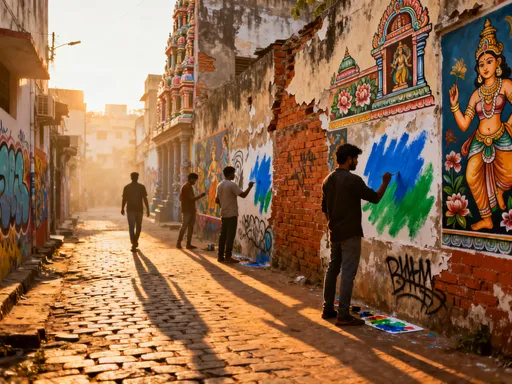
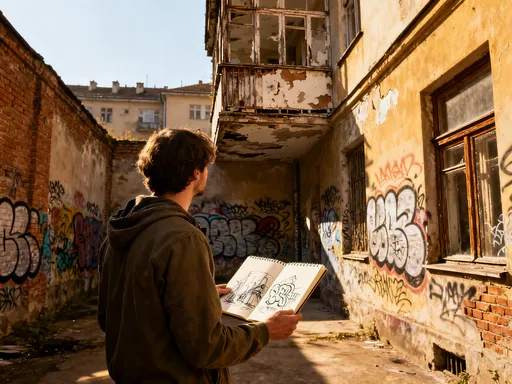
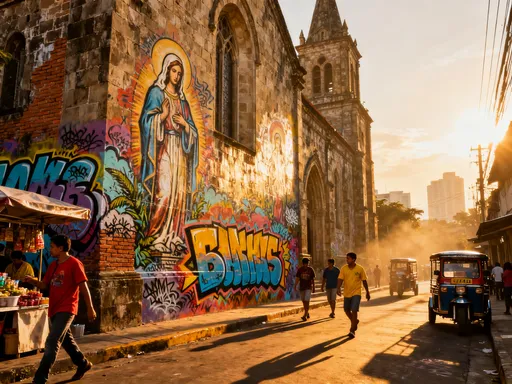
In Hagåtña, the streets themselves are storytellers. Across building facades, alleyways, and public plazas, vibrant murals transform the urban landscape into an open-air gallery of Chamorro history and identity. These artworks go beyond decoration; they serve as visual narratives that educate, inspire, and affirm cultural pride. Commissioned by local organizations, schools, and government initiatives, many of these murals were created through community-driven projects, involving artists, elders, and youth in collaborative efforts to reclaim and celebrate indigenous heritage.
One of the most striking examples is the mural at the Guam Museum’s exterior wall, which depicts the creation myth of Puntan and Fu’una—central figures in Chamorro cosmology. According to legend, after Puntan’s death, his body parts were used to form the sky, earth, and ocean, while Fu’una transformed into the first woman and gave rise to the Chamorro people. This mural, painted in rich earth tones and ocean blues, captures the moment of creation with reverence and dynamism. Nearby, another mural portrays scenes of resistance during the Spanish colonization, showing Chamorro warriors defending their homeland and elders preserving language and customs in the face of suppression. These images are not intended to provoke anger but to honor resilience and continuity.
Other murals celebrate everyday life—the image of a grandmother teaching her granddaughter to weave, fishermen hauling in a net at dawn, children dancing in traditional attire during a village fiesta. These scenes emphasize the intergenerational transmission of culture, a theme that resonates deeply with local families. For visitors, these murals offer an accessible entry point into Chamorro values: family, community, respect for nature, and spiritual connection. Unlike museum displays behind glass, these artworks are part of daily life. They are touched by rain, warmed by the sun, and seen by people going to work, school, or church. This integration makes them more powerful—they are not isolated artifacts but living expressions of identity.
Walking through Hagåtña with an eye for murals becomes a form of cultural immersion. Tourists are encouraged to pause, observe, and reflect. Many murals include bilingual captions in English and Chamorro, inviting deeper understanding. Some artists have incorporated QR codes that link to audio recordings of elders explaining the stories behind the images, blending tradition with modern technology. This fusion reflects a broader truth: Chamorro culture is not frozen in time but actively evolving, using new tools to sustain ancient truths. By engaging with these murals, visitors become part of that story—not as outsiders, but as witnesses to a culture that speaks boldly through color and form.
Festivals That Move the Spirit: Where Culture Dances
For those seeking to experience Chamorro culture in its most dynamic form, timing a visit around one of Guam’s major festivals offers an unforgettable immersion. These events are not staged performances for tourists but genuine community celebrations where art, music, dance, and food converge in joyful expression. Among the most significant is the annual Guam Micronesia Island Fair, held each spring in Hagåtña. This week-long festival brings together representatives from across the Micronesian region, including the Federated States of Micronesia, Palau, the Marshall Islands, and the Northern Mariana Islands. The fair is a celebration of shared heritage and regional unity, featuring traditional dances, craft exhibitions, culinary showcases, and cultural demonstrations.
One of the highlights is the Grand March, where delegations parade in handcrafted costumes adorned with shells, feathers, and woven fibers. The rhythmic beat of wooden drums and the melodic chants of dancers create an atmosphere of reverence and celebration. Visitors are often invited to join in dance workshops, where they can learn the bebé and cha-cha, traditional Chamorro dances characterized by graceful hand movements and swaying steps. These dances are more than entertainment; they are forms of storytelling, conveying legends, historical events, and daily life through motion. Participating, even as a beginner, fosters a sense of belonging and mutual respect.
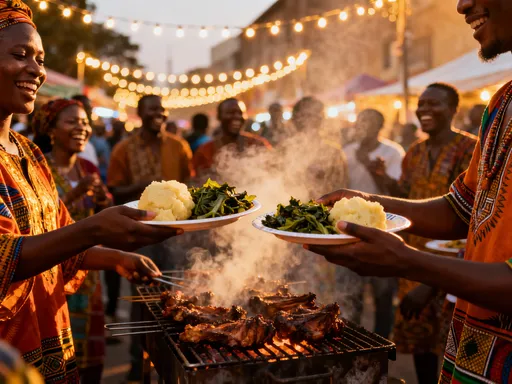
Another pivotal event is Liberation Day, observed every July 21st to commemorate the U.S. liberation of Guam from Japanese occupation during World War II. While the day includes military parades and official ceremonies, it is also a powerful expression of Chamorro resilience and identity. Cultural performances take center stage, with school groups and dance troupes presenting choreographed pieces that honor ancestors and celebrate freedom. The streets of Hagåtña come alive with music, the scent of grilled meat and coconut rice, and the vibrant colors of traditional attire. Families gather in parks and plazas, sharing food and stories, reinforcing the bonds that sustain cultural continuity.
For travelers, attending these festivals is not just about observation but participation. Vendors sell handmade crafts, local delicacies like kelaguen and red rice, and traditional drinks made from coconut and herbs. Children learn dances from their grandparents, and elders share oral histories with younger generations. These moments are not curated for visitors but open to all who approach with respect. By joining in—whether by trying a dance step, tasting a new dish, or simply listening to a story—travelers become temporary members of the community. Such experiences leave lasting impressions, far deeper than any sightseeing tour could offer.
Cultural Hubs: Museums and Community Spaces
While festivals and street art offer vibrant, spontaneous encounters with Chamorro culture, dedicated institutions provide structured opportunities for deeper learning and engagement. The Guam Museum, located in the heart of Hagåtña, stands as the island’s premier cultural repository. Opened in 2016 after decades of planning, the museum is housed in a modern, climate-controlled building designed to reflect traditional Chamorro architecture, with sweeping roof lines reminiscent of ancient canoe sheds. Its permanent exhibition, “Nånan Guåhan: The Guam Story,” traces the island’s history from prehistoric settlement to the present day, using artifacts, interactive displays, and oral histories.
Visitors can view ancient pottery shards, traditional fishing tools, and replicas of latte stones, all contextualized within the broader narrative of Chamorro life. Rotating exhibits highlight contemporary Chamorro artists, exploring how modern creators reinterpret tradition through painting, sculpture, and multimedia installations. The museum also hosts regular programs, including artist talks, storytelling sessions, and hands-on workshops where participants can try weaving, carving, or traditional cooking. These programs are designed to be accessible to all ages and backgrounds, fostering intergenerational and cross-cultural dialogue.
Another important space is the Pacific Arts Studio, a community-run center that supports emerging and established artists from Guam and the wider Micronesian region. Unlike formal galleries, this studio operates with an open-door philosophy, inviting the public to observe artists at work, ask questions, and even collaborate on projects. Weekly “Art & Talk” events feature local creators discussing their inspirations, techniques, and cultural responsibilities. The studio also partners with schools to provide arts education for youth, ensuring that traditional skills are not lost to future generations.
These cultural hubs play a vital role in both preservation and innovation. They safeguard fragile artifacts and endangered knowledge while also providing platforms for new expressions of identity. For travelers, visiting these spaces offers a balanced perspective—respecting the past while recognizing the dynamism of the present. Staff and volunteers are typically welcoming and eager to share their knowledge, making these institutions not just educational but deeply human. By supporting them through visits and donations, tourists contribute directly to the sustainability of Chamorro culture.
Art Beyond Aesthetics: Culture in Daily Life
While museums and festivals capture attention, the true depth of Chamorro culture lies in its everyday expressions—moments that unfold quietly, without fanfare, in homes, markets, and village squares. Art here is not confined to galleries or performances; it is embedded in routine, passed down through gestures, recipes, and conversations. One morning, near the Hagåtña Farmers Market, a grandmother sits on a folding chair under a banyan tree, her fingers deftly weaving a small basket from coconut fronds. A young girl watches closely, mimicking the motions. No lesson is formally announced; the teaching happens naturally, through presence and patience.
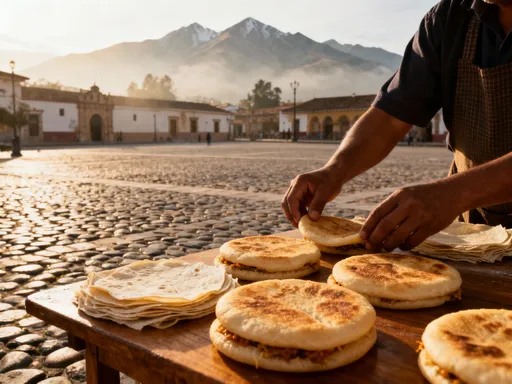
At a neighborhood church fiesta, tables overflow with food prepared in ancestral ways—kelaguen made with lemon juice and hot peppers, titiyas (tortillas) cooked on a flat stone, and desserts sweetened with brown sugar and coconut milk. Music plays from a portable speaker—a mix of traditional chants and modern island melodies. Children dance barefoot on the grass, their movements a blend of instinct and imitation. An elder begins to tell a story about the first canoe to reach Guam, his voice rising and falling like the tide. No microphone, no stage—just a circle of listeners drawn in by the rhythm of the tale.
These informal moments are where culture breathes most fully. They are not designed for tourists, yet they remain accessible to those who approach with humility and openness. A smile, a respectful question, a willingness to sit and listen—these small acts can open doors to genuine connection. In these spaces, art is not something to be consumed but experienced as part of a shared human rhythm. It reminds us that culture is not a performance but a way of being, sustained through daily acts of love, memory, and continuity.
Traveler’s Guide: Experiencing Culture with Respect
Engaging with Chamorro culture is a privilege, not a right. For visitors, the key to meaningful connection lies in respectful participation. Simple actions can make a profound difference. Learning a few basic Chamorro phrases—such as “Håfa adai” (hello), “Si Yu’us ma’åse” (thank you), and “Güaha ham?” (How are you?)—demonstrates respect and often brings warm smiles. These greetings are more than politeness; they are acknowledgments of identity and presence.
Supporting local artists by purchasing handmade crafts directly from them ensures that cultural work is valued and sustained. Avoid mass-produced souvenirs sold in tourist shops; instead, visit community markets or cultural centers where artisans sell their own creations. When photographing people, especially elders or those engaged in cultural practices, always ask permission first. A nod or a smile does not always mean consent—wait for a clear verbal or gestural agreement. Dress modestly when visiting churches, cultural events, or village areas, covering shoulders and knees as a sign of respect.
Participate in activities with humility. If invited to dance, cook, or listen to a story, do so with an open heart and a willingness to learn, not to perform. Remember that cultural knowledge is often shared selectively—some stories or practices may be reserved for family or community members. Accept this boundary with grace. Finally, listen more than you speak. The wisdom of the Chamorro people is carried in their voices, their silences, and their way of moving through the world. To honor their culture is not to take from it, but to receive it with gratitude and care.
In Hagåtña, art isn’t something you just see—it’s something you feel, hear, and become part of. The true beauty lies not in perfection, but in presence: the pulse of drums, the scent of åsuf (dye) on woven fibers, the warmth of shared stories. To visit is to listen, learn, and leave with deeper respect for a culture that thrives with quiet strength. Let your journey be more than sightseeing—let it be connection.