Chasing Midnight Light: Where Norway’s Wild Flavors Meet the Lens
Strolling through Stavanger, I never expected my lens to capture such raw beauty—nor my palate to be this thrilled. Between fjord-lit cliffs and cobblestone alleys, this city blends Nordic minimalism with explosive flavors. It’s not just about scenic shots; it’s about moments seasoned with local cod, cloudberries, and coastal fire. Here, every meal tells a story worth photographing—authentic, unfiltered, unforgettable. This is a place where light lingers at midnight, where the sea shapes both landscape and cuisine, and where travelers find themselves immersed in a rhythm that feels both ancient and refreshingly modern. Stavanger invites you not only to see but to savor, to frame not just vistas but the quiet intimacy of shared plates and sun-drenched harbors.
The Allure of Stavanger: A Visual and Culinary Crossroads
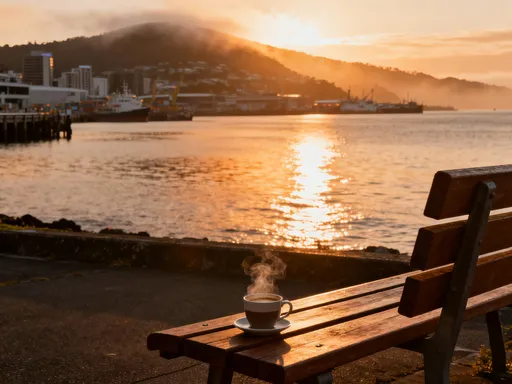
Perched on Norway’s rugged southwest coast, Stavanger emerges as a quiet yet compelling destination where nature and urban life coexist in harmony. Known for its well-preserved old town of white wooden houses and its proximity to some of the country’s most iconic natural wonders, the city offers more than postcard views—it delivers a full sensory immersion. The towering cliff of Preikestolen, rising 604 meters above the Lysefjord, draws hikers and photographers from around the world, while the serene waters of Gjesdal and the gentle curves of Vågen Harbor offer quieter, equally compelling compositions. But beyond the landscape, it is the city’s soul—reflected in its markets, kitchens, and coastal traditions—that completes the portrait.
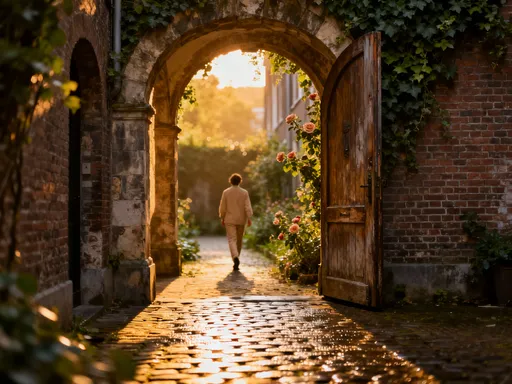
Stavanger’s charm lies in its balance. It is a city that honors its past without clinging to it. Once a modest fishing port and later a hub for Norway’s oil industry, it has evolved into a cultural and culinary destination that respects its roots. The narrow lanes of Gamle Stavanger, with their 18th- and 19th-century homes, stand in quiet contrast to sleek galleries and contemporary cafes. This duality extends to the dining experience: while modern restaurants experiment with Nordic fermentation and foraged ingredients, traditional fish markets and family-run kitchens continue to serve time-honored dishes with pride. The city does not force authenticity—it lives it.
What makes Stavanger unique is how seamlessly its culinary identity aligns with its visual appeal. The same fjords that inspire photographers also feed the city’s tables. The cold, clean waters yield some of the freshest seafood in Europe—cod, mackerel, king crab—while the surrounding hills and forests offer wild berries, mushrooms, and herbs. Dining here is not an isolated activity; it is part of the journey. A morning boat trip to the fjord might end in a waterfront cabin with a pot of fish stew. A hike through the surrounding hills could lead to a roadside stand selling smoked salmon and flatbread. In Stavanger, food is not just consumed—it is discovered.
Why “Food with a View” Defines the Stavanger Experience
In Stavanger, the phrase “dining with a view” transcends cliché. It becomes a philosophy—a belief that a meal is not complete without context, without light, without landscape. Many of the city’s most memorable restaurants are built around this idea, positioning diners where they can watch the sun dip below the horizon while tasting the sea on their plates. At places like Bare Vest or Fisketorget Restaurant, large windows frame the harbor, turning dinner into a living diorama of boats bobbing in the evening glow and seagulls tracing slow arcs above the water. The experience is immersive: you taste the briny freshness of raw oysters while hearing the creak of moored ships and feeling the cool coastal breeze.
This integration of food and environment is intentional. Chefs and restaurateurs in Stavanger understand that presentation extends beyond the plate. An open kitchen allows guests to witness the craftsmanship behind each dish—the flash of a knife on fresh fish, the careful plating of pickled vegetables. Outdoor terraces, especially during the summer months, become stages for slow, sunlit meals where time seems to stretch. The golden hour, which lasts longer here due to the northern latitude, bathes everything in a soft, honeyed light that enhances both flavor and photography. A bowl of creamy fish soup looks richer, a slice of rye bread more textured, a glass of local aquavit more inviting when caught in this light.
But the appeal of “food with a view” is not merely aesthetic. It speaks to a deeper human need—to connect with place. When you eat overlooking the fjord, you are not just consuming; you are participating. The salt in the air, the sound of waves, the distant call of a ferry horn—all become part of the meal. This is experiential dining at its most authentic. It resists the trend of performative eating, where dishes are designed solely for social media. Instead, Stavanger’s best meals are those that invite presence, that encourage you to put the camera down for a moment and simply be. And yet, when you do lift your lens, the image carries meaning because it was earned through experience.
Signature Dishes That Tell a Story: From Stockfish to Sea Buckthorn
To taste Stavanger is to taste Norway’s relationship with the sea and seasons. The city’s cuisine is shaped by necessity and preservation—methods born from long winters and abundant harvests. One of the most iconic ingredients is stockfish, air-dried cod that has been a staple in Norwegian diets for over a thousand years. Though its preparation may seem simple—hung on wooden racks to dry in the coastal wind—the result is a concentrated flavor that forms the base of many traditional dishes. In Stavanger, you’ll find it rehydrated and served with potatoes, carrots, and melted butter, or transformed into *baccalà*, a dish influenced by Mediterranean trade routes.
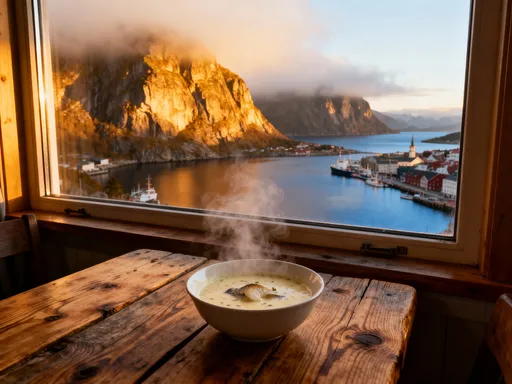
Equally emblematic is *fiskesuppe*, a creamy fish soup that embodies comfort in a bowl. Made with a mix of white fish, shellfish, leeks, and cream, it is often finished with dill and a squeeze of lemon. The soup’s pale gold hue and delicate steam make it a favorite subject for food photographers, but its true beauty lies in its warmth and simplicity. It is the kind of meal shared after a long walk along the coast, a remedy for cold fingers and tired feet. In modern interpretations, chefs might add saffron or smoked bone broth to deepen the flavor, but the soul of the dish remains unchanged.
Then there are the wild ingredients that define Norway’s terroir. Cloudberries, with their amber color and tart-sweet taste, grow in the marshy highlands and are often served with whipped cream or layered into desserts. Sea buckthorn, a bright orange berry rich in vitamin C, is used in sauces, syrups, and even cocktails, adding a citrusy punch to both food and drink. These ingredients are not just flavors—they are markers of season and place. To taste them is to understand the rhythm of the land: the brief summer burst of growth, the careful harvesting, the preservation for darker months.
Even the beverages tell a story. Aquavit, Norway’s signature spirit, is often infused with caraway, dill, or citrus and served chilled in small glasses. In Stavanger, it is commonly paired with pickled herring or smoked salmon during festive meals. The ritual of sharing aquavit—clinking glasses, making eye contact, sometimes singing a traditional toast—adds a social dimension to dining that is as important as the food itself. It is a reminder that in Norway, meals are not solitary acts but communal experiences, woven into the fabric of daily life.
Hidden Eateries Off the Beaten Path: Authenticity Over Aesthetics
While the harborfront restaurants offer polished experiences, some of the most memorable meals in Stavanger happen in unassuming places. These are the spots where locals gather—small fish shacks, family-run bakeries, and seasonal pop-ups tucked into repurposed shipping containers. They may lack tablecloths or wine lists, but they overflow with character. One such place is the weekend fish market at Verksgata, where fishermen sell their daily catch directly from coolers. You won’t find menus here, only a nod toward the freshest fillets on ice. Nearby, a grandmother might be grilling mackerel over an open flame, the scent of charred skin drawing people in like a magnet.
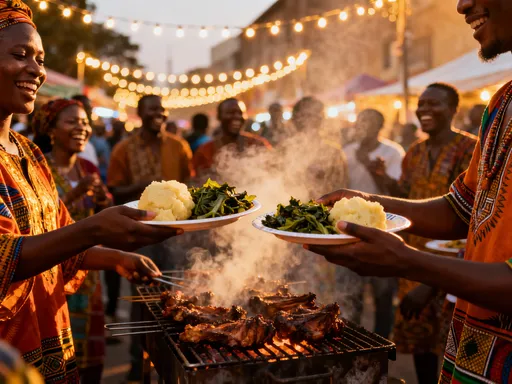
Another gem is the network of food carts near Øyrane, an industrial area turned creative hub. These mobile kitchens serve everything from reindeer stew to sourdough pizzas topped with goat cheese and wild greens. The setting is casual—plastic stools, paper plates, no reservations—but the energy is vibrant. This is where you’ll hear Norwegian spoken in its natural rhythm, where laughter spills across tables, and where a simple cup of coffee can lead to a 20-minute conversation. These moments, fleeting and unplanned, are often the most photogenic not because they are beautiful in a conventional sense, but because they are real.
Finding these places requires a shift in mindset. It means walking past the guidebook favorites, asking questions at the tourist office, or striking up a conversation with a fisherman mending nets at the dock. It means embracing uncertainty and trusting that the best experiences are rarely found on maps. For photographers, these settings offer a goldmine of candid shots—hands scaling fish, steam rising from a pot, children reaching for a bite of warm bread. There is no staging, no filters. The authenticity is palpable, and the images, when captured with respect, carry a quiet dignity.
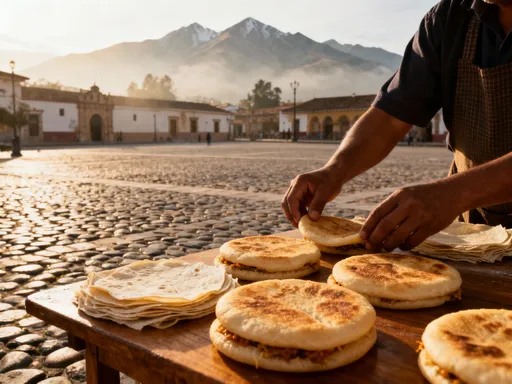
These hidden spots also remind us that food is not just about taste but about connection. In a small café in the neighborhood of Eiganes, an elderly couple might share a plate of *lefse*—a soft flatbread rolled with butter and sugar—while recounting how they’ve eaten here every Sunday for 40 years. In a converted garage in Hillevåg, a young chef might serve a tasting menu made entirely from foraged ingredients, explaining each dish with the passion of someone who sees the forest as a pantry. These are the stories that linger long after the trip ends, the ones that make you want to return, not for the views, but for the people.
Seasonal Rhythms: How Time of Year Shapes Taste and Light
Stavanger’s character shifts with the seasons, and so does its cuisine and photographic potential. Summer, with its near-constant daylight, is a season of abundance. The midnight sun casts a soft, ethereal glow that lasts for weeks, allowing photographers to shoot well into the night without artificial light. This is the time for al fresco dining, for long lunches that stretch into dinner, for grilling fresh mackerel on docks and picnicking with cheese and berries in green meadows. Farmers’ markets overflow with strawberries, rhubarb, and new potatoes, while coastal restaurants feature dishes built around the season’s catch—lightly seared scallops, herb-crusted salmon, and chilled seafood platters.
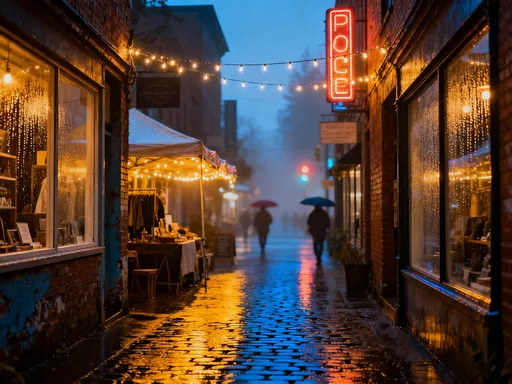
Winter, in contrast, is a season of warmth and depth. The days are short, the skies often gray, but the city embraces the darkness with candles in windows, hearty stews, and strong coffee. The food turns inward—smoked fish, root vegetable gratins, dark rye bread, and bowls of pea soup that steam like incense. Aquavit takes center stage, sipped slowly during long evenings. For photographers, this season offers a different kind of beauty: moody, textured, intimate. A fisherman’s cabin lit from within, a market stall glowing under a string of bulbs, the frost on a windowpane—these are images that speak of comfort and resilience.
Timing a visit around seasonal events can enhance the experience. The Matsmart Food Market, held annually in late summer, transforms the city center into a culinary festival with vendors, tastings, and live demonstrations. It’s a vibrant scene—colorful displays of local produce, children sampling cloudberry jam, chefs tossing pancakes in cast-iron pans. For photographers, it’s a feast of movement and color. Another highlight is the Christmas market in Gamle Stavanger, where wooden stalls sell gingerbread, mulled wine, and handmade ornaments. The old town, lit by candlelight, feels like a living painting, and the air carries the scent of cinnamon and pine.
Understanding these rhythms allows travelers to plan not just for sightseeing, but for immersion. It means choosing summer for long coastal walks and sunset photography, or winter for cozy dining and atmospheric shots. It means packing not just a camera, but an openness to the pace of the season. In Stavanger, time is not something to rush through—it is something to savor, like a well-aged cheese or a slow-cooked stew.
Practical Photography Tips for Capturing Culinary Moments
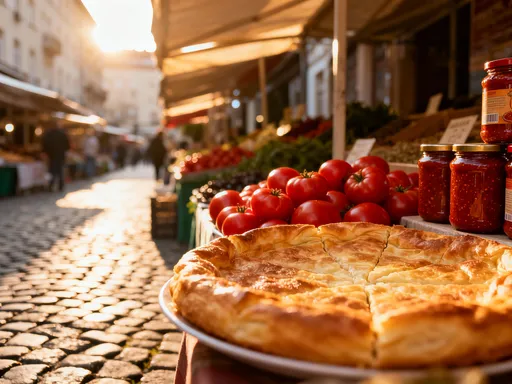
Capturing food in Stavanger does not require expensive gear or technical mastery. What matters most is attention—to light, to detail, to the moment. The golden hour, especially in summer, provides the most flattering illumination. Position your subject near a window or outdoor seating area where the low, warm light can highlight textures: the flakiness of pastry, the glisten of sauce, the steam rising from a bowl. Avoid harsh midday sun, which can create unflattering shadows and wash out colors. If shooting indoors, turn off overhead lights and rely on natural or candlelight to maintain a natural tone.
Close-ups are powerful. A macro shot of a cloudberry, its surface dotted like a miniature planet, can be as compelling as a wide-angle view of the fjord. Focus on details that tell a story: a hand placing a slice of bread on a plate, a drop of aquavit falling into a glass, the crumpled paper of a takeaway wrapper. These small moments often carry more emotional weight than perfectly styled dishes. Use a shallow depth of field to isolate your subject, but don’t overdo it—keep enough context to ground the image in place.
Respect is key, especially in small, family-run establishments. Always ask before photographing people, and be mindful of other diners. In intimate spaces, a smartphone with a good camera can be less intrusive than a large DSLR. Use silent mode, avoid flash, and keep your movements discreet. Remember, the goal is not to document every bite, but to preserve the essence of the experience. Sometimes, the best photo is the one you remember with your eyes closed—the warmth of the room, the sound of laughter, the taste of something unforgettable.
Finally, embrace imperfection. A slightly blurred image, a dish half-eaten, a napkin crumpled in haste—these are not flaws, but signs of life. They remind us that travel is not about perfection, but about presence. In Stavanger, where nature and tradition shape every moment, the most authentic photos are those that feel lived-in, not staged.
From Plate to Post: Sharing Your Journey Without Losing Its Soul
In an age of constant sharing, it’s easy to confuse documentation with experience. We snap photos to remember, but sometimes we forget to actually remember. Stavanger, with its quiet beauty and unhurried pace, offers a chance to recalibrate. It invites us to put the camera down, to taste without framing, to listen without recording. The most meaningful moments are often the ones that happen off-screen: a shared smile with a stranger, a sudden burst of rain during a picnic, the silence that follows a perfect sunset.
When we do share, we have a responsibility—to be honest, to be respectful, to honor the places and people we encounter. A photo of a fisherman’s meal should not be cropped to erase his weathered hands. A story about a local dish should include its roots, not just its appearance. Sharing is not just about likes or followers; it’s about connection. It’s about saying, “This mattered. This was real.”
Stavanger teaches us that beauty and flavor are not separate. They are threads in the same fabric. The same fjord that inspires a photograph also feeds the fish on your plate. The same light that gilds the rooftops also warms the bread in the oven. To capture one is to honor the other. And in the end, the best travel stories are not the ones that look perfect—they are the ones that feel true.
So chase the midnight light. Taste the wild berries. Let the sea air fill your lungs. And when you raise your lens, do it with intention. Not to capture everything, but to remember what matters. In Stavanger, every meal is a moment worth photographing—not because it’s flawless, but because it’s alive.