What Truly Makes Your Mouth Healthy? The Real Standards Nobody Talks About
You brush every day, but is your mouth really healthy? It’s not just about avoiding cavities—real oral health includes fresh breath, pink gums, and no sensitivity. I used to think I was doing enough, until I noticed subtle signs I couldn’t ignore. Turns out, most of us miss key markers that dentists actually look for. Let’s break down what healthy teeth and gums truly look like—and how to get there the smart way.
Redefining Oral Health: Beyond the Absence of Pain
Many people believe that if their mouth doesn’t hurt, it must be healthy. This common misconception can lead to delayed care and worsening conditions over time. The truth is, pain is often a late sign of problems. By the time toothache or gum discomfort appears, issues like decay or periodontal disease may already be advanced. Real oral health goes far beyond the absence of pain. It encompasses a balanced state involving the teeth, gums, tongue, saliva, and overall function of the mouth.
A truly healthy mouth features clean teeth free of plaque, gums that are firm and pink, consistent fresh breath, and the ability to chew comfortably without sensitivity or discomfort. These signs reflect not only good dental hygiene but also the body’s internal balance. Research has shown that oral health is deeply connected to systemic health. For example, chronic inflammation in the gums has been associated with increased risks for cardiovascular disease, diabetes complications, and even cognitive decline. The mouth acts as a window into the body’s immune response and inflammatory status.
One often-overlooked aspect of oral health is the quality of saliva. Saliva plays a crucial role in neutralizing acids, washing away food particles, and supporting the natural remineralization of tooth enamel. A dry or sticky feeling in the mouth may signal reduced salivary flow, which increases the risk of tooth decay and gum disease. Additionally, the texture and color of the gums—whether they are puffy, receding, or bleed easily—offer vital clues about underlying health. Healthy gums should be stippled like an orange peel, firm to the touch, and tightly hugging each tooth without gaps.
Recognizing these broader indicators shifts the focus from reactive care to proactive wellness. Oral health is not just about preventing cavities; it’s about maintaining a resilient, balanced environment in the mouth that supports overall vitality. This holistic perspective encourages individuals to look beyond brushing and flossing alone and consider how lifestyle, diet, and routine checkups contribute to long-term well-being.
The 5 Key Signs of a Truly Healthy Mouth
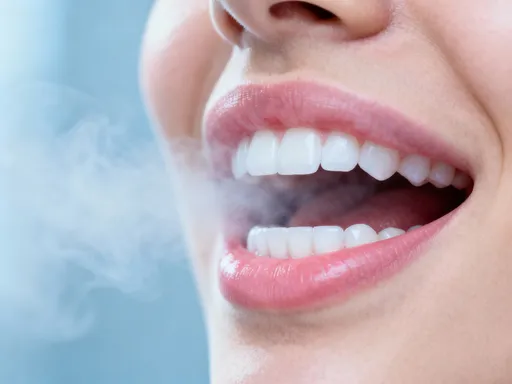
Understanding what a healthy mouth looks like empowers individuals to monitor their own condition more effectively. Dentists evaluate oral health based on specific, observable standards. The first key sign is clean teeth without visible plaque or tartar buildup. Plaque is a sticky biofilm of bacteria that forms on teeth within hours after eating. If not removed, it hardens into tartar, which cannot be eliminated by brushing alone. A healthy mouth shows smooth tooth surfaces with no yellowish deposits along the gumline.
The second sign is pink, resilient gums. Healthy gum tissue does not bleed during brushing or flossing. Bleeding is not normal—it is a warning signal of inflammation, often the earliest stage of gingivitis. Gums should fit snugly around each tooth, forming a tight seal that protects the underlying bone. Receding gums or pockets between the teeth and gums indicate potential periodontal disease, which can lead to tooth loss if untreated.
Third, fresh breath throughout the day is a hallmark of oral health. While morning breath is common due to reduced saliva flow at night, persistent bad breath (halitosis) during the day may point to bacterial overgrowth, gum disease, or even digestive issues. Unlike temporary solutions like mints or mouthwash, true freshness comes from a clean oral environment and balanced microbiome.
The fourth indicator is pain-free chewing. Being able to eat a variety of foods without sensitivity to hot, cold, or sweet stimuli reflects strong enamel and healthy dentin. Sensitivity often develops when enamel wears down or gums recede, exposing the more vulnerable layers of the tooth. A healthy mouth allows for comfortable biting, grinding, and chewing, contributing to proper digestion and nutritional intake.
Fifth, natural tooth color without excessive staining indicates good oral maintenance. Teeth are not meant to be unnaturally white; their natural shade varies from person to person. However, heavy discoloration from coffee, tea, tobacco, or poor hygiene can signal surface damage or plaque retention. A healthy smile maintains its natural luster without significant darkening or yellowing.
These five signs work together to create a complete picture of oral wellness. When one or more are missing, it’s a cue to reevaluate daily habits or seek professional guidance. Early detection of deviations—such as slight gum bleeding, minor sensitivity, or a persistent dry mouth—can prevent more serious conditions down the line.
Why Daily Habits Fall Short: The Gaps in Common Routines
Despite good intentions, many daily oral care routines fall short of achieving optimal results. Brushing twice a day is a common practice, but technique, timing, and tools matter significantly. Many people use a hard-bristled toothbrush or apply too much pressure, which can lead to enamel abrasion and gum recession over time. The American Dental Association recommends a soft-bristled brush and gentle circular motions to effectively remove plaque without causing damage.
Brushing duration is another critical factor. Most adults brush for less than the recommended two minutes, leaving behind plaque in hard-to-reach areas. Additionally, brushing immediately after consuming acidic foods or drinks—such as citrus fruits, soda, or wine—can weaken enamel. Acid softens the tooth surface, and brushing too soon afterward increases the risk of erosion. Waiting at least 30 minutes allows saliva to neutralize the pH and reharden the enamel.
Flossing is often neglected or performed incorrectly. Many people only floss in a back-and-forth sawing motion, which does not effectively clean the sides of the teeth. Proper flossing involves curving the floss around each tooth in a C-shape and gently sliding it beneath the gumline to remove trapped bacteria. Interdental brushes or water flossers can be excellent alternatives, especially for those with braces, bridges, or tight spacing.
Choice of toothpaste also plays a role. Fluoride is a well-researched ingredient that strengthens enamel and helps prevent decay. Despite misinformation, fluoride is safe and effective when used as directed. Toothpastes labeled for sensitivity, whitening, or gum health can offer additional benefits, but their effectiveness depends on consistent use and proper application.
Diet is another major factor that undermines even the best brushing habits. Frequent snacking, especially on sugary or starchy foods, fuels harmful oral bacteria that produce acid with every exposure. This constant acid attack prevents the mouth from returning to a neutral pH, disrupting the natural repair cycle of enamel. Similarly, sipping on acidic beverages throughout the day—like soda, sports drinks, or lemon water—creates an environment where decay can thrive.
Equally important is the balance of the oral microbiome. The mouth hosts hundreds of bacterial species, most of which are beneficial. However, poor hygiene, high sugar intake, and antibiotic use can disrupt this balance, allowing harmful bacteria to dominate. This imbalance contributes to plaque formation, bad breath, and inflammation. Maintaining a diverse and stable microbial community is essential for long-term oral health.
The Hidden Role of Lifestyle in Oral Health
Oral health is not determined solely by brushing and flossing. Lifestyle factors such as sleep, stress levels, hydration, and breathing patterns have a profound impact on the condition of the mouth. Chronic stress, for example, can weaken the immune system, making it harder for the body to fight off infections, including gum disease. Stress is also linked to teeth grinding (bruxism), which can lead to enamel wear, jaw pain, and cracked teeth over time.
Hydration plays a vital role in maintaining saliva production. Water helps rinse away food particles and supports the natural cleansing action of saliva. Dehydration, whether from inadequate fluid intake or certain medications, leads to dry mouth (xerostomia), which increases the risk of cavities and gum disease. Individuals who breathe through their mouth, especially during sleep, often experience dryness that disrupts the oral environment.
Mouth breathing, commonly associated with nasal congestion or sleep apnea, alters the pH balance in the mouth, creating a more acidic and less protective environment. This condition favors the growth of harmful bacteria and accelerates enamel erosion. Children who chronically breathe through their mouths may develop facial structural changes and misaligned teeth, highlighting the long-term consequences of this habit.
Several medications, including antihistamines, antidepressants, and blood pressure drugs, list dry mouth as a side effect. Chronic conditions such as diabetes, Sjögren’s syndrome, and autoimmune disorders can also impair salivary function. When saliva is compromised, the mouth loses its first line of defense against decay. In these cases, extra preventive measures—such as using fluoride rinses, sugar-free gum, or saliva substitutes—become essential.
Everyday choices, even small ones, accumulate over time. Sipping on sugary drinks throughout the day, skipping flossing because of fatigue, or eating late-night snacks without brushing afterward may seem harmless in the moment. But these behaviors create repeated acid attacks and bacterial buildup that gradually erode oral health. Awareness of these patterns allows for meaningful adjustments that support long-term wellness.
Smart Prevention: Building a Realistic, Science-Backed Routine
Effective oral care doesn’t require perfection—it requires consistency and informed choices. A science-backed daily routine should include brushing for two minutes twice a day with fluoride toothpaste, using proper technique. Focus on all surfaces of the teeth, including the gumline and back molars. Replace your toothbrush every three to four months, or sooner if the bristles are frayed.
Flossing should be done at least once a day, ideally before bedtime, to remove plaque between teeth where brushing can’t reach. For those who find traditional floss difficult, interdental brushes or water flossers are effective alternatives. Tongue cleaning, using a tongue scraper or toothbrush, helps reduce bacteria that contribute to bad breath and plaque formation.
Rinsing with an antimicrobial or fluoride mouthwash can provide additional protection, especially for individuals at higher risk of decay or gum disease. However, mouthwash should not replace brushing or flossing. It is a supplementary tool that enhances overall cleanliness.
Dietary habits are equally important. Reducing the frequency of sugar intake is more impactful than eliminating it entirely. The key is to limit snacking and avoid sipping on sugary or acidic drinks throughout the day. Drinking water with meals and using a straw for acidic beverages can minimize contact with teeth. Chewing sugar-free gum containing xylitol after meals stimulates saliva flow and helps neutralize acid, offering a convenient way to support oral health between brushings.
Timing matters. Wait at least 30 minutes after eating or drinking anything acidic before brushing. This allows the saliva to restore a healthy pH and protect the enamel. If brushing isn’t possible, rinsing with water or chewing xylitol gum can help cleanse the mouth temporarily.
The goal is sustainability. A routine that is too complicated or time-consuming is less likely to be maintained. Small, realistic changes—like swapping soda for water, adding flossing to your evening routine, or setting a timer for brushing—can lead to lasting improvements. Consistency over time is far more effective than occasional intensive efforts.
When to See a Professional: Recognizing the Red Flags
No home routine can replace the expertise of a dental professional. Regular checkups and cleanings are essential for maintaining high standards of oral health. Dentists and hygienists can detect early signs of decay, gum disease, and oral cancer that may not be visible or symptomatic to the individual. The American Dental Association recommends visiting a dentist at least twice a year, though some individuals may need more frequent visits based on their risk factors.
There are clear warning signs that indicate the need for immediate professional attention. Persistent bad breath that doesn’t improve with hygiene changes may signal an underlying infection or systemic issue. Gum recession, where the roots of the teeth become exposed, increases sensitivity and the risk of decay. Any change in bite alignment, such as teeth feeling loose or shifting position, should be evaluated promptly.
Sensitivity to temperature, especially if it lingers, can indicate enamel loss, a cracked tooth, or nerve exposure. Visible changes on the teeth—such as chips, cracks, or dark spots—also warrant a dental visit. Pain, swelling, or pus around a tooth are signs of infection and require urgent care.
Only a licensed dentist can diagnose conditions like early-stage cavities, gingivitis, or periodontitis using clinical examination and imaging. Professional cleanings remove tartar buildup that cannot be addressed at home. Sealants, fluoride treatments, and personalized advice further support preventive care.
Professional care complements daily habits. It provides early intervention, accurate diagnosis, and tailored treatment plans. Viewing dental visits as a proactive part of health maintenance, rather than a response to pain, fosters long-term oral wellness.
Oral Health as a Lifelong Commitment: Shifting the Mindset
Oral care should not be seen as a chore, but as an act of self-respect and a commitment to long-term well-being. The condition of the mouth reflects personal habits, lifestyle choices, and overall health. Maintaining natural teeth into older age is not just about aesthetics—it’s about function, nutrition, and quality of life. Individuals who preserve their oral health are more likely to enjoy a varied diet, speak clearly, and feel confident in social interactions.
Teaching children healthy habits early sets the foundation for lifelong wellness. But it’s never too late to improve. Adults at any stage can make changes that yield significant benefits. Small actions—brushing a little longer, drinking more water, scheduling a delayed checkup—accumulate into meaningful results over time.
The mouth is a mirror of the body’s internal state. Inflammation, imbalance, and chronic conditions often manifest orally before showing up elsewhere. By paying attention to the signs in the mouth, individuals gain insight into their broader health and can take proactive steps toward prevention.
Empowerment comes from knowledge and action. Understanding what truly defines a healthy mouth—beyond the absence of pain—enables informed decisions and sustainable habits. With realistic routines, professional support, and a mindset focused on long-term wellness, everyone can achieve and maintain a truly healthy mouth. The journey begins with awareness, continues with consistency, and leads to lasting vitality.